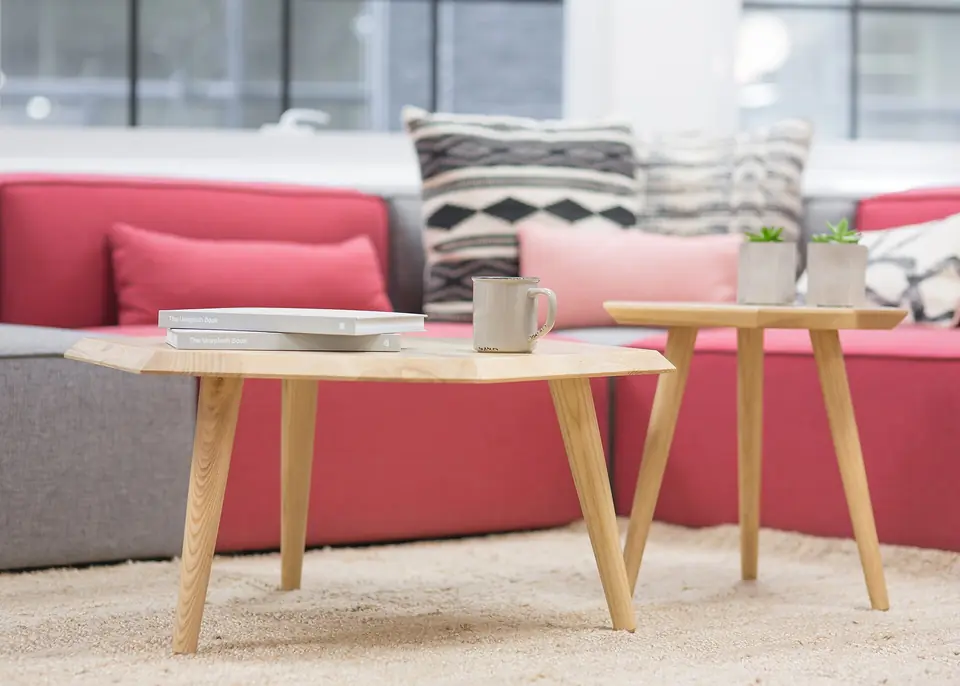
Photograph the room before you touch it
Before moving anything, take phone photos of every room, every shelf and the top of every chest of drawers. When the shoot finishes, the house goes back exactly as it was, and nobody remembers which way a vase faced. On an office shoot, photograph every desk before clearing it. Put felt pads under heavy pieces that will be dragged and lay blankets along the route on wooden floors. Pick one room as the holding area for everything that comes out of shot.
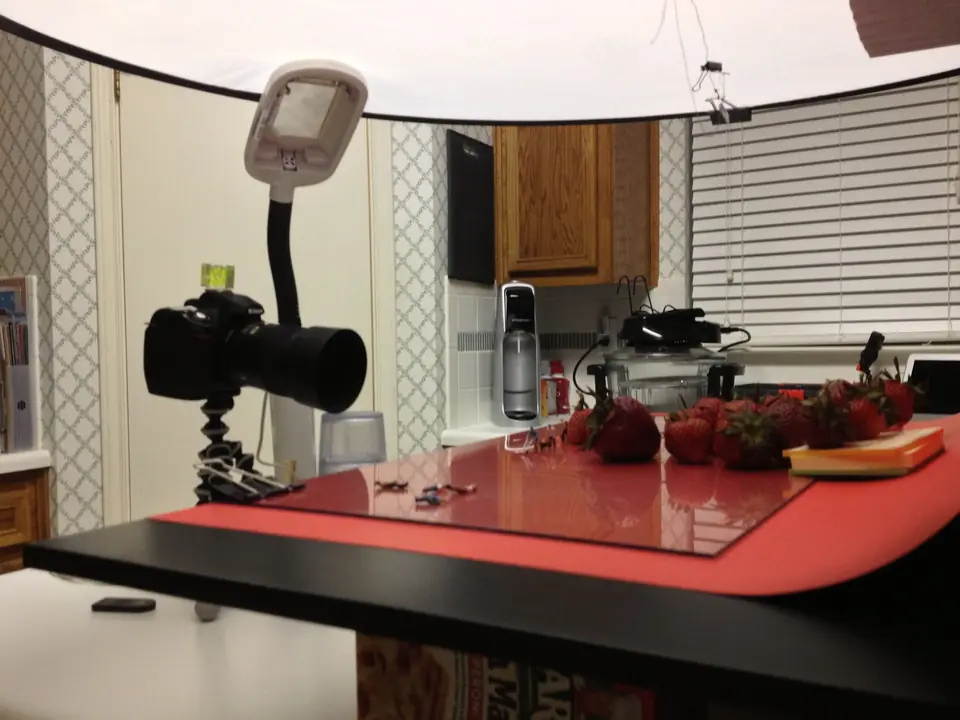
What moves and what goes
Clear first, then build back, much as when staging a flat for sale. Cables, chargers, remote controls, post, bins and most small ornaments come out. What stays should still read clearly on a printed page, such as a floor lamp, a styled drinks trolley or a large bowl.
Then the furniture is pulled in. A sofa and two chairs that sit comfortably apart in life look scattered in a wide frame, so they move closer and turn slightly towards the lens. A coffee table may end up nearer the sofa than anyone would use it. A rug may be turned so its edge does not cut a corner of the frame. Check each move on the camera screen: a shift of a few centimetres can open or close a gap between two objects.
Layering a frame from front to back
A flat picture has everything at one distance. For depth, put something close to the lens, such as the arm of a chair or a sprig of leaves, and let it go slightly soft. The middle holds the main furniture, and the back holds a picture or an open door into the next room.
Textiles carry much of the mood. Drop a throw over a chair arm and leave a few creases in a linen tablecloth. Cushions are plumped, then pressed by hand so they look sat on. On a bed, turn back one corner of the duvet so it looks ready to get into.
Shooting for the printed page
Magazine pages are portrait, so shoot verticals of each room as well as landscapes. On a landscape frame meant to run across a double-page spread, the fold falls down the middle and swallows anything placed there. Keep the main object to one side and leave calm areas of plain wall or floor where a headline or caption can sit. A cover shoot works the same way around the masthead and cover lines.
Turn off overhead lights, which add a yellow or green cast and flat shadows, and shoot by daylight with table lamps on for a glow. Look at test frames large, on a laptop, where stray cables and crooked pictures show up clearly. Much of the styling happens at this stage, in small corrections such as a cushion turned or a lampshade straightened.
Order of work
- Photograph every room as found, so it can be put back.
- Agree the list of shots: whole rooms, verticals and close details.
- Protect the floors and set up a holding area for everything removed.
- Strip each room to its main furniture, then move pieces closer for the lens.
- Add objects, textiles and branches back one at a time, checking each on camera.
- Shoot, then reset each room from the before photos.
Common mistakes
- Styling by eye while standing in the room. Check from the camera position, where a vase that looks centred may sit behind a lamp.
- Keeping every object because it belongs to the owner. Small objects turn into visual noise; keep a few large ones.
- Putting the main subject in the centre of a frame meant for a spread, where the fold cuts it.
- Missing reflections in glass doors, mirrors and dark windows, which can show the camera and the lights.
Questions people ask
Why do rooms in interiors magazines look tighter than in real life?
A wide lens pushes everything apart. Furniture that is comfortable to walk around looks scattered in a photograph, so it is moved closer for the shoot and moved back afterwards.
Is it normal to bring objects into a home for a shoot?
Yes. Branches, flowers, cushions, throws and books with plain spines are often brought in to fill gaps or to replace objects with loud colours or logos. Everything brought in should be listed so it leaves with the kit.
What takes longest when styling a room for a shoot?
Clearing the room and putting it back usually take longer than the styling itself, and a full room takes longest of all. Allow time at both ends of the day.
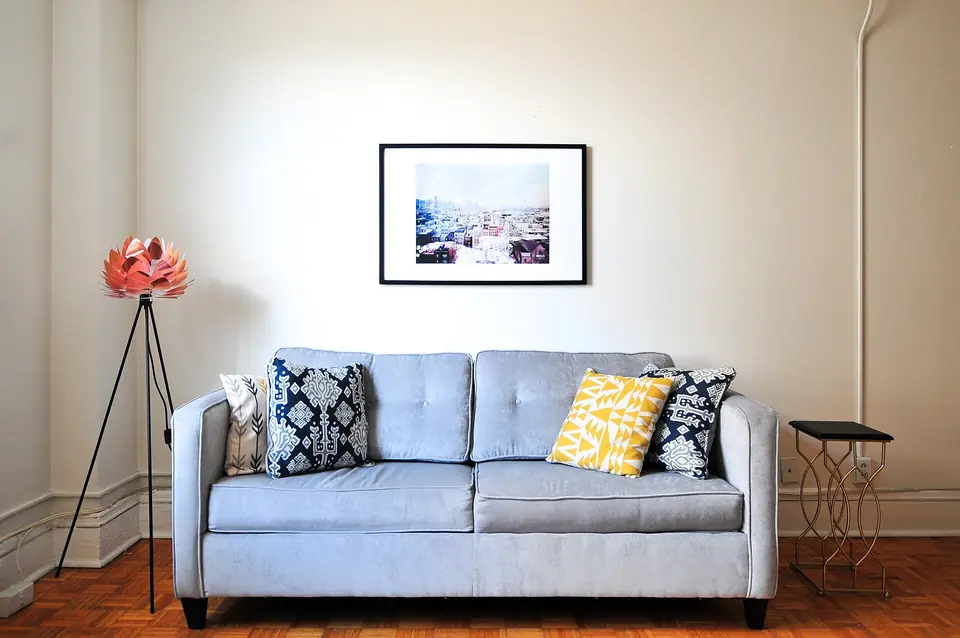 Home staging a flat for sale: light Scandinavian styling and listing photos
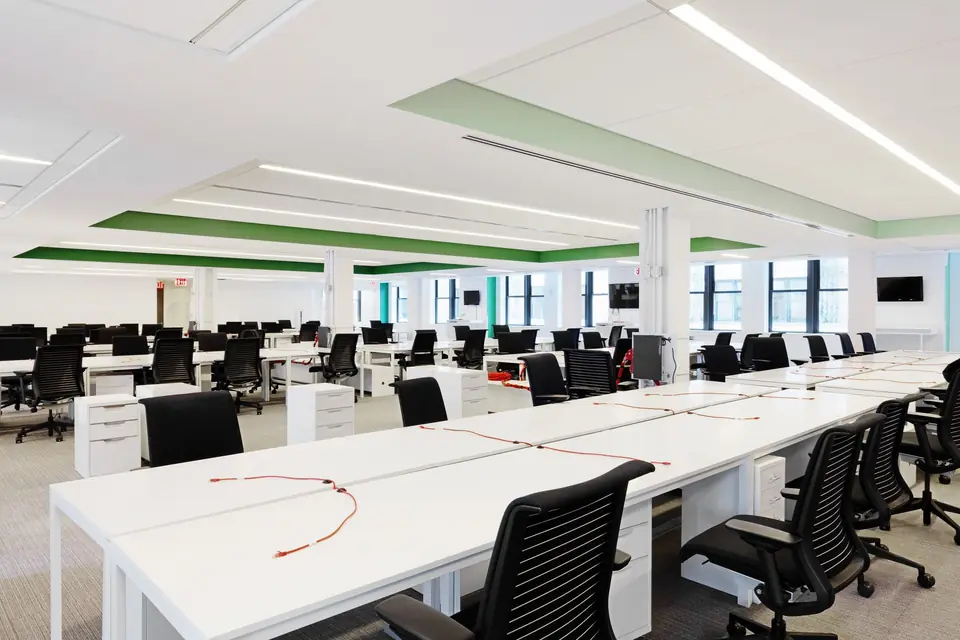 How to style an office photoshoot: desks, screens, brand objects and people
 Magazine cover photoshoot: how to build a still-life set for a cover