Pop-up shops and restaurants
A pop-up takes a room built for something else and turns it into a shop, a restaurant or a launch space for a few days or weeks. Most of the work is planning: how people come in and move round, what can be carried in flat and put up quickly, and what can be taken down again without marking the walls.
The 5 guides in this section
The section begins with a pop-up shop in an empty unit, covering layout, flat-pack fixtures, lighting and the window. The pop-up restaurant page deals with a borrowed room, the tables and the routes between kitchen and diners. A one-day brand launch has its own page on arrival, a single photo moment, seating and signs. The last two pages work at a smaller scale: a fashion showroom or atelier with rails, mirrors and a fitting corner, and shop window displays built around one idea at eye level.
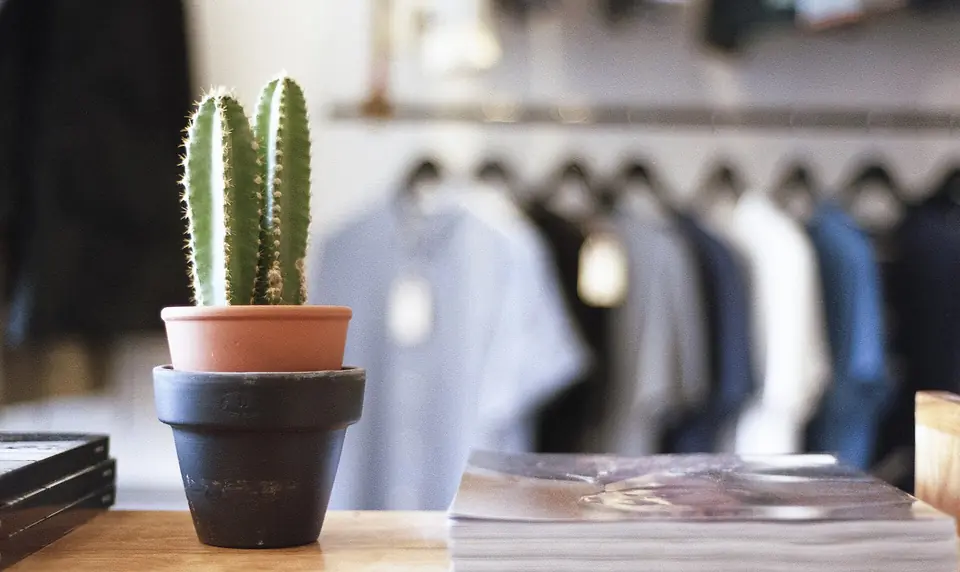
 Pop-up shop design: planning an empty unit from the door to the tillCan you drill the walls, and where are the sockets? Those two answers about the empty unit come before any pop-up shop layout. Plan the floor from the door inwards and build every fixture to fold or stack into a van. Bring your own spotlights too, because the ceiling panels in many empty units light the floor and flatten the stock.
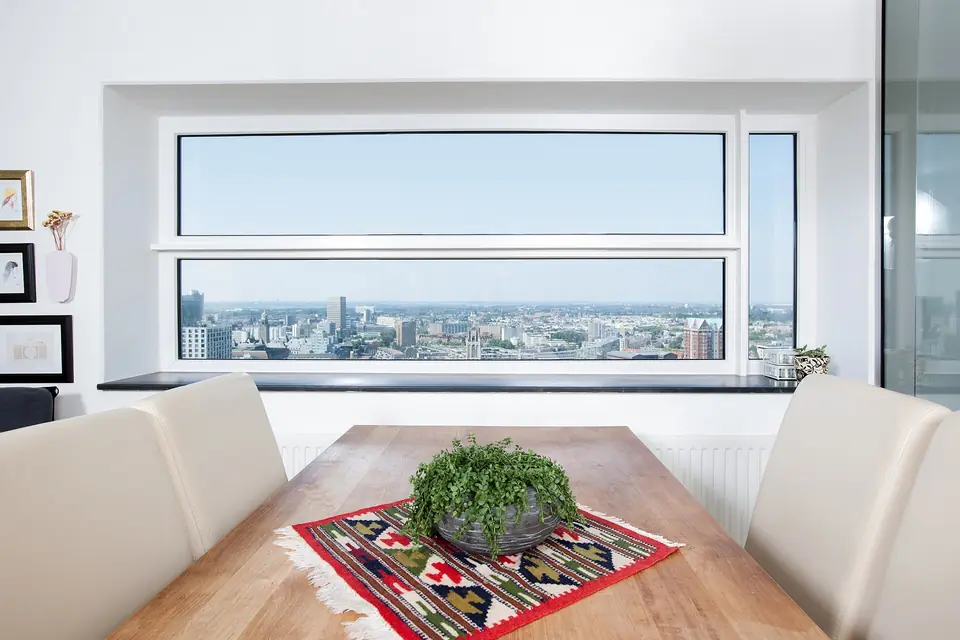 How to set up a pop-up restaurant in a borrowed roomTwo routes decide how a pop-up restaurant works: the one guests take from the entrance to their seats, and the one plates take from the kitchen to the tables and back. Fix both in the borrowed room first. Then set long tables between them and carry the theme with a few objects repeated at every place.
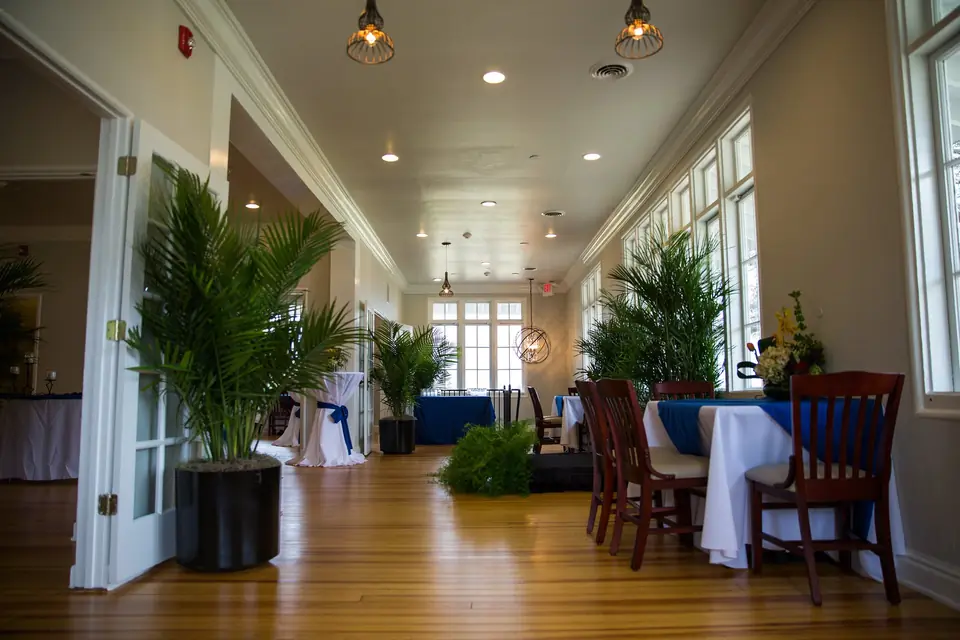 Planning a one-day brand activation or launch spaceWith only a few hours to build and a few hours of guests, a one-day brand activation gets one chance at the pictures people take home. Plan it as a walk: arrival, coats, a drink, the product, the photo spot, the way out. Put most of the effort into the photo spot, because those pictures keep travelling long after the room is cleared.
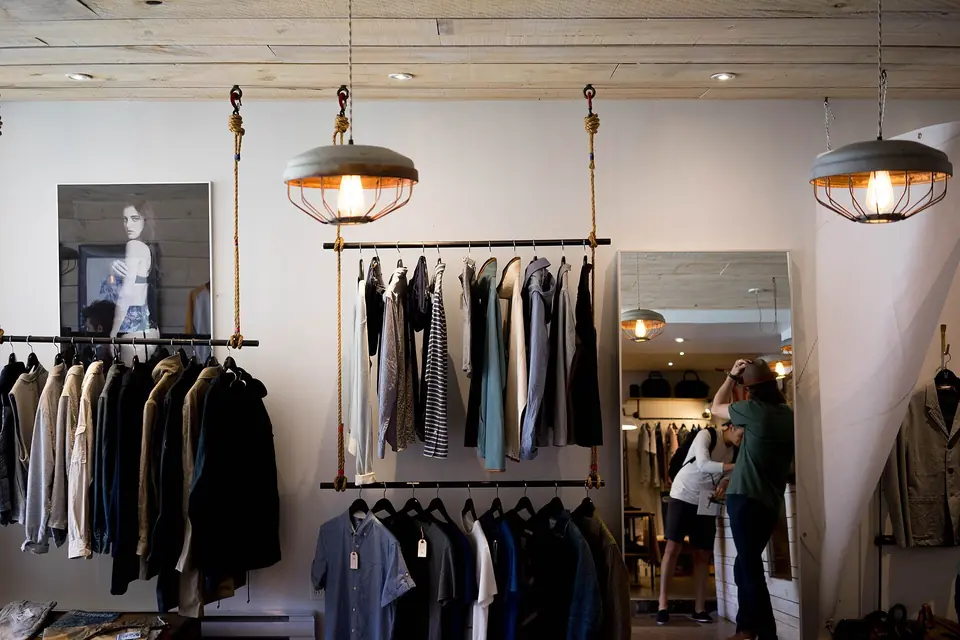
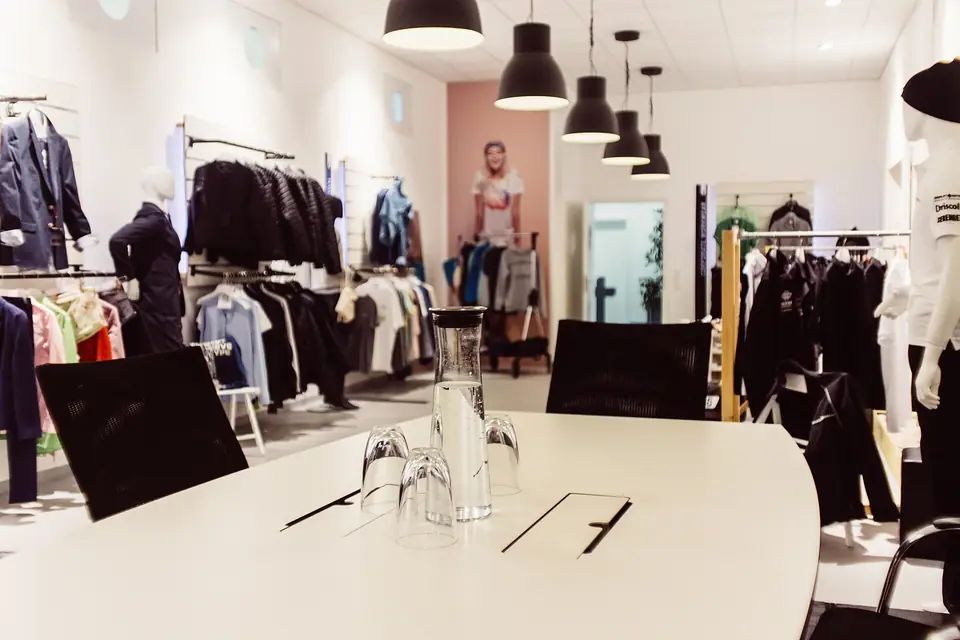 Small showroom design: rails, mirrors, a fitting corner and tablesThere is often only one room in a small showroom, and it has to show a collection, let someone try a piece on and give a buyer space to step back and look. Rails along the walls, one table in the middle, a tall mirror in good light and a curtained corner for fitting cover most rooms. After that, the effort goes into how each rail is ordered and how the room is lit.
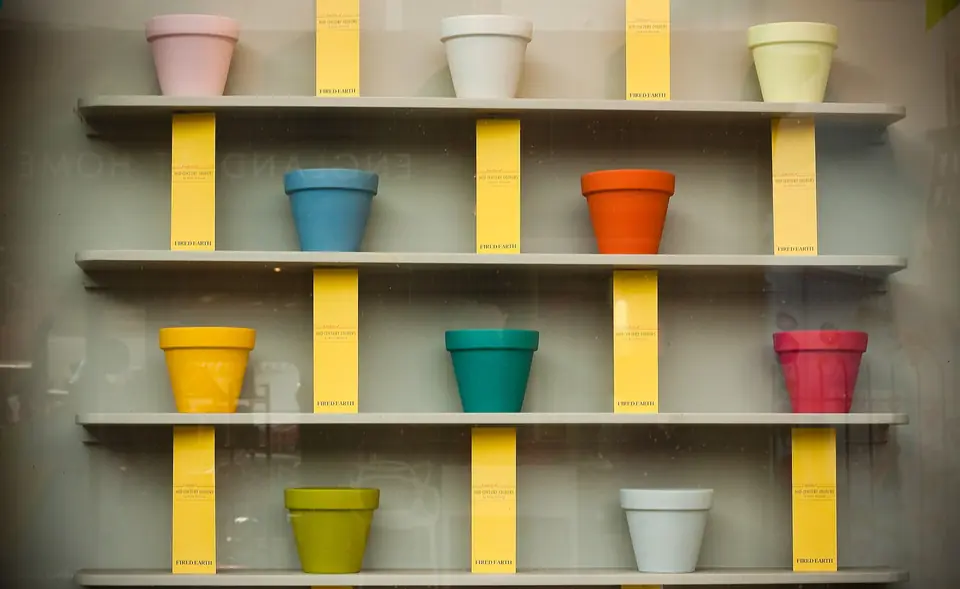 Window display ideas: depth, eye level and one clear ideaSomeone walking past gives a shop window a few seconds, so it needs one idea that reads from across the pavement. Put the main object at eye level and use the depth of the window to layer what sits around it. Light the inside brighter than the street, or the glass shows reflections instead of the display.
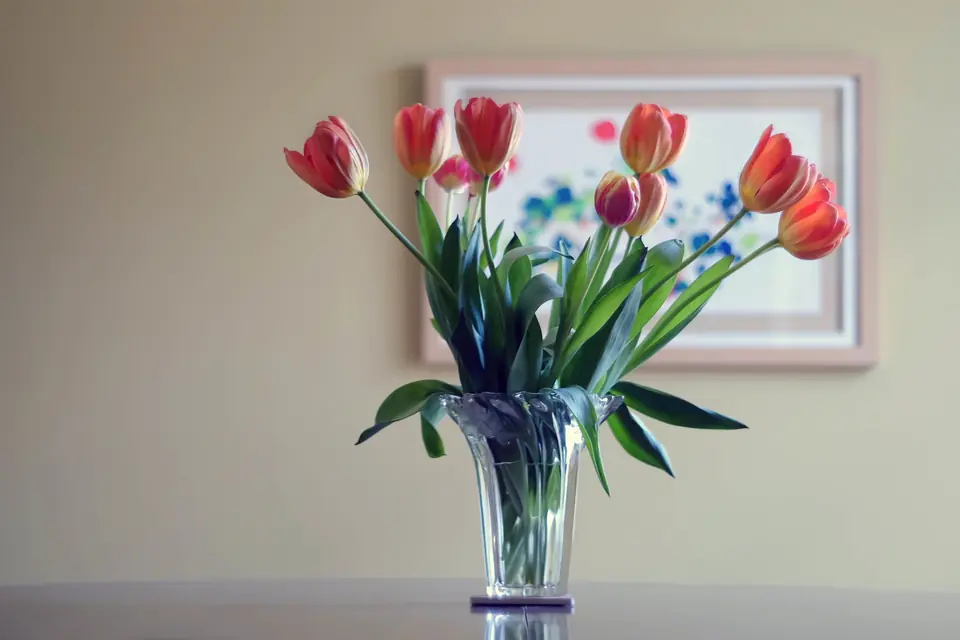 Still life and product sets
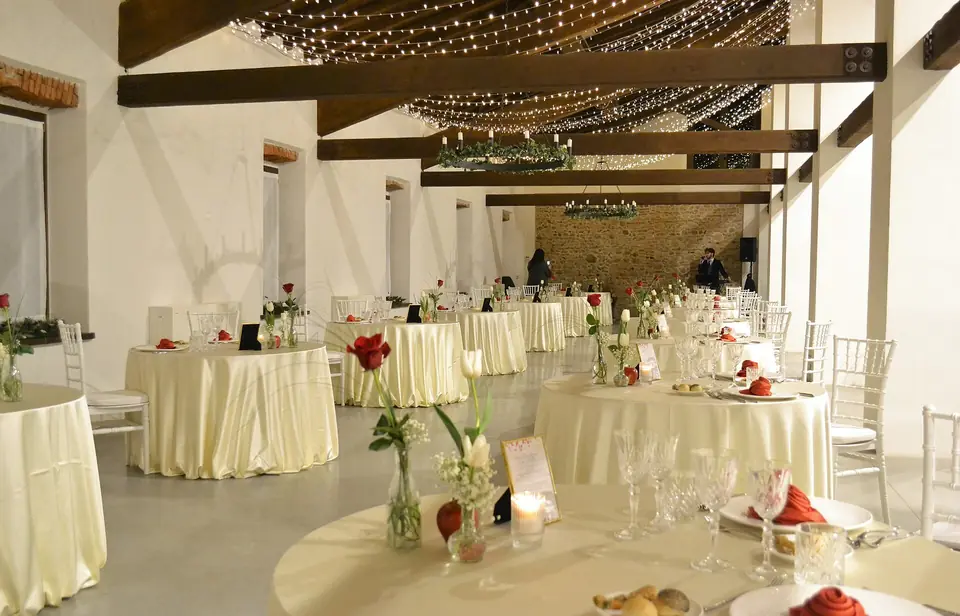 Event and fashion sets
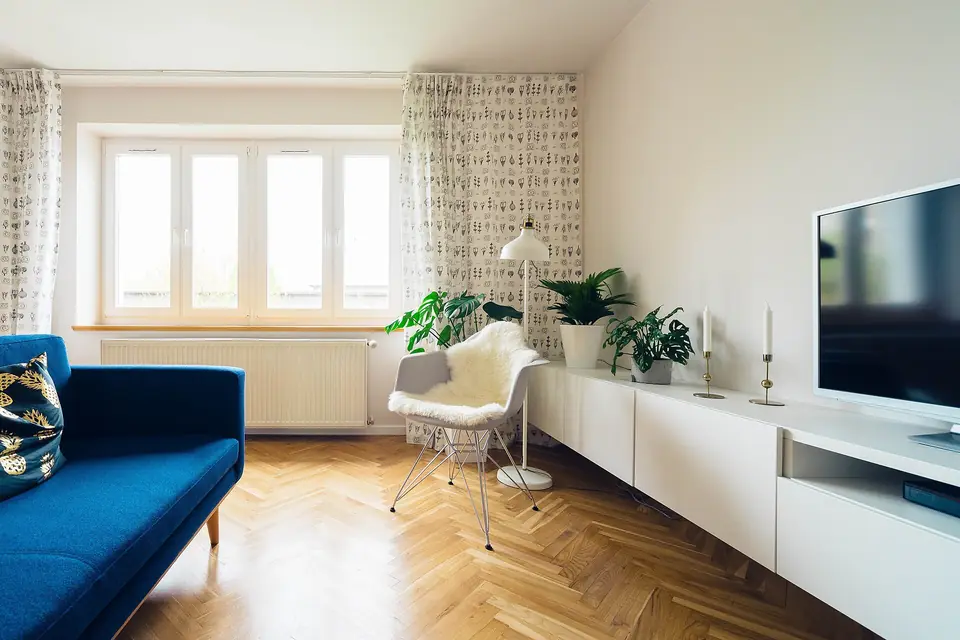 Interior styling
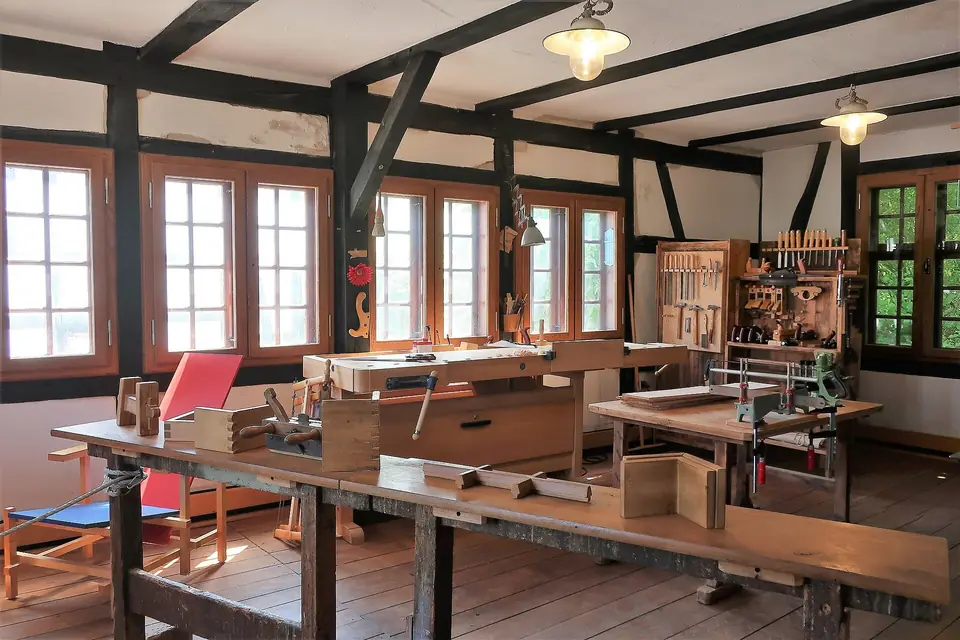 Props and making