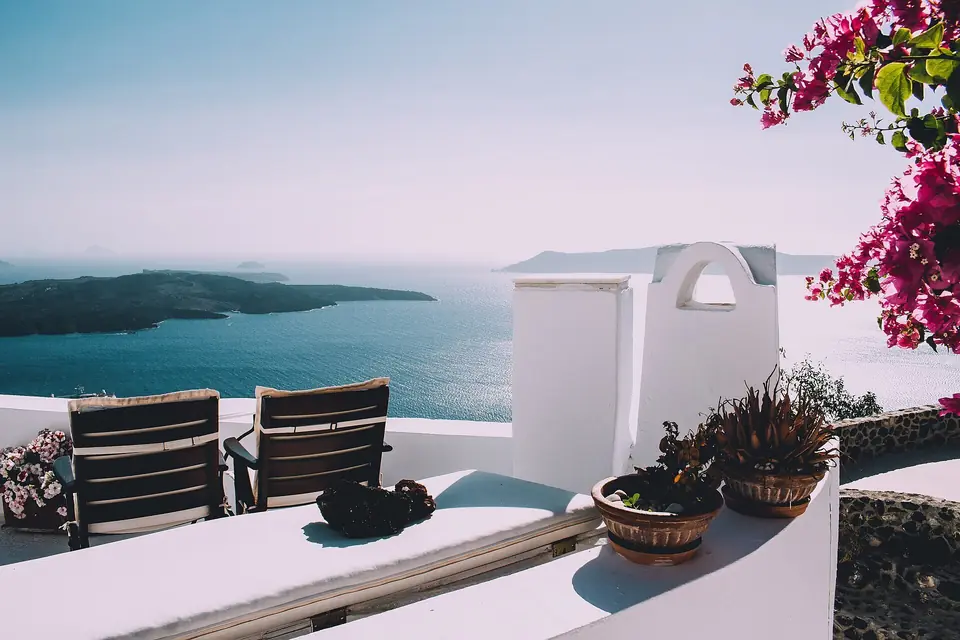
Floors and walls that take wear
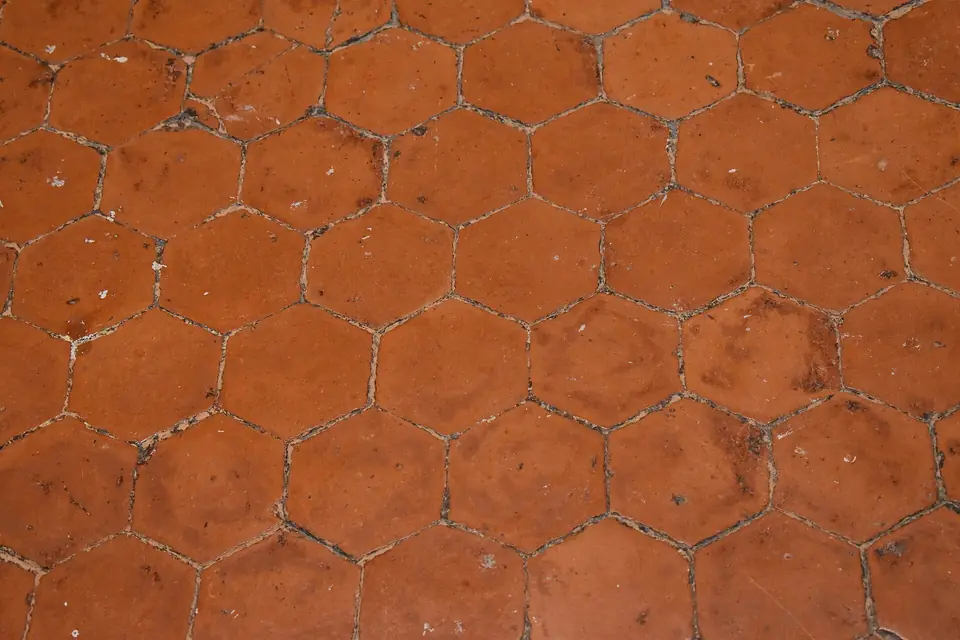
Stone, terracotta tiles and polished concrete cope with sand, wet feet and suitcase wheels. Terracotta must be sealed, or oil and red wine will mark it. Lime plaster suits hot climates because it lets walls breathe and is easy to patch; in showers, tadelakt or tiles keep the water out.
Wooden floors work in bedrooms if they are oiled, because an oiled floor can be repaired in patches. A lacquered floor shows every scratch and has to be sanded as a whole. Keep pale carpet out of the house altogether, since sand and sun cream grind into it.
A simple palette that is easy to repeat
Keep the base to white and the colour of the local stone or wood. Then add one or two accents taken from outside, such as the blue of the shutters or the grey-green of olive leaves. With a narrow palette, a stained cushion cover can be replaced with something close enough.
Buy textiles in sets. Make all the bed linen white cotton, so it can be washed hot and bleached. Make all the towels one colour, so odd ones never pile up. Slipcovers in washed linen or cotton canvas over sofas and dining chairs come off for the machine.
Storage for guests and for the owner
Every bedroom needs a luggage rack or a bench, hooks behind the door and enough matching hangers. Put a bedside table on each side of the bed, each with a lamp and a socket. By the entrance, hooks for beach bags and a basket for shoes keep sand out of the bedrooms. An outdoor shower by the garden door helps even more.
The owner needs one lockable cupboard for spare linen and cleaning stock. Keep spares of everything that breaks or stains, such as glasses and cushion covers, all in the same design so sets never end up mixed.
Outdoor rooms
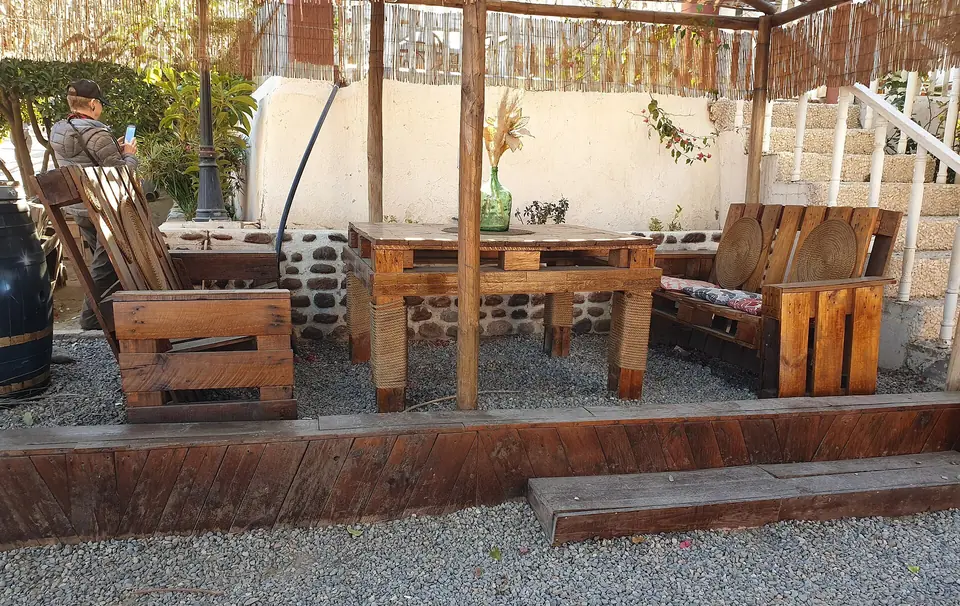
In a warm climate the terrace is often the main living room. Give it a dining table in shade and somewhere to lie down, such as a daybed or a low pallet sofa. Shade can come from a pergola with reed matting or a fixed sail. Teak and powder-coated aluminium last well outside. Near the sea, use marine-grade stainless steel fixings, since ordinary steel rusts quickly in salt air.
Outdoor cushions need quick-drying open-cell foam, so rain runs straight out instead of soaking in, and zipped covers in solution-dyed acrylic, which holds its colour in strong sun. Good villa interior design also plans where those cushions go when it rains: a ventilated store or deck box next to the terrace.
Order of work
- List what the house will face: number of guests, sun, salt, sand and pets.
- Choose floors and wall finishes first, and seal stone and terracotta before furniture arrives.
- Fix the palette, then buy linen, towels and covers in matching sets.
- Plan storage room by room, including a lockable owner's cupboard.
- Furnish the terrace as a room, with shade over the table.
- Photograph each finished room so it can be reset the same way after every stay.
- Keep a labelled box of identical spares on site.
Common mistakes
- Glass coffee tables and fragile antiques. They show fingerprints and break; use solid wood, stone or metal.
- Giving bedrooms only a ceiling light. Guests read in bed, so give each side a lamp and a socket.
- Many small ornaments. They get moved or packed by mistake; keep a few large, heavy pieces.
- Dark cushion covers on the terrace. They get hot in the sun and fade unevenly; choose pale, solution-dyed fabric.
Questions people ask
What colours work best in a holiday villa?
Pale, warm bases such as white and stone, with one or two accents from the surroundings, like shutter blue or olive green. A narrow palette is easy to keep consistent when cushions or throws are replaced.
How many sets of linen does a holiday rental need?
A common rule of thumb is three sets per bed: one on the bed, one in the wash and one spare. Buying them all in the same white cotton makes swapping simple.
Which outdoor furniture lasts longest by the sea?
Teak and powder-coated aluminium cope well with sun and salt. Avoid untreated steel and iron, which rust, and check that screws and hinges are marine-grade stainless steel.
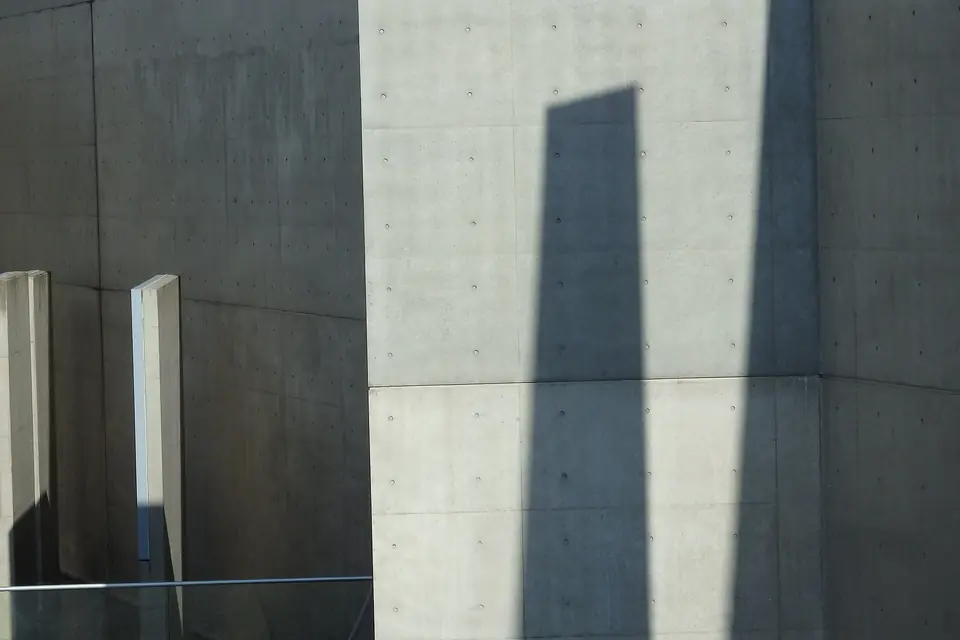 How to warm a concrete interior with wood, textiles, plants and light
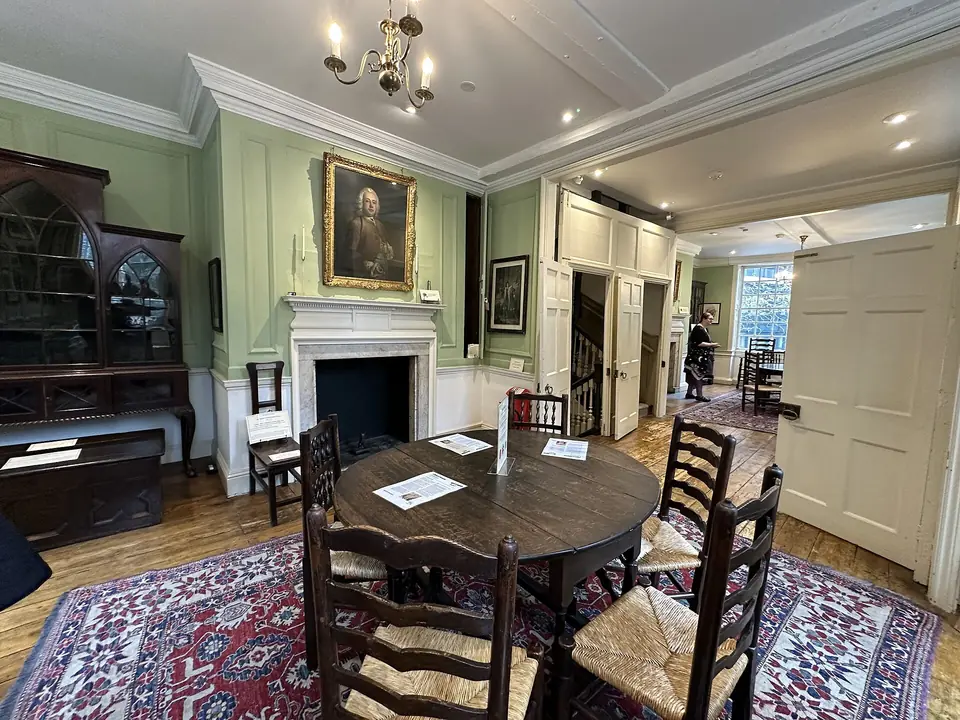 Furnishing a London townhouse interior: layout, furniture and joinery
 How to build a pallet sofa: choosing, sanding and cushioning
