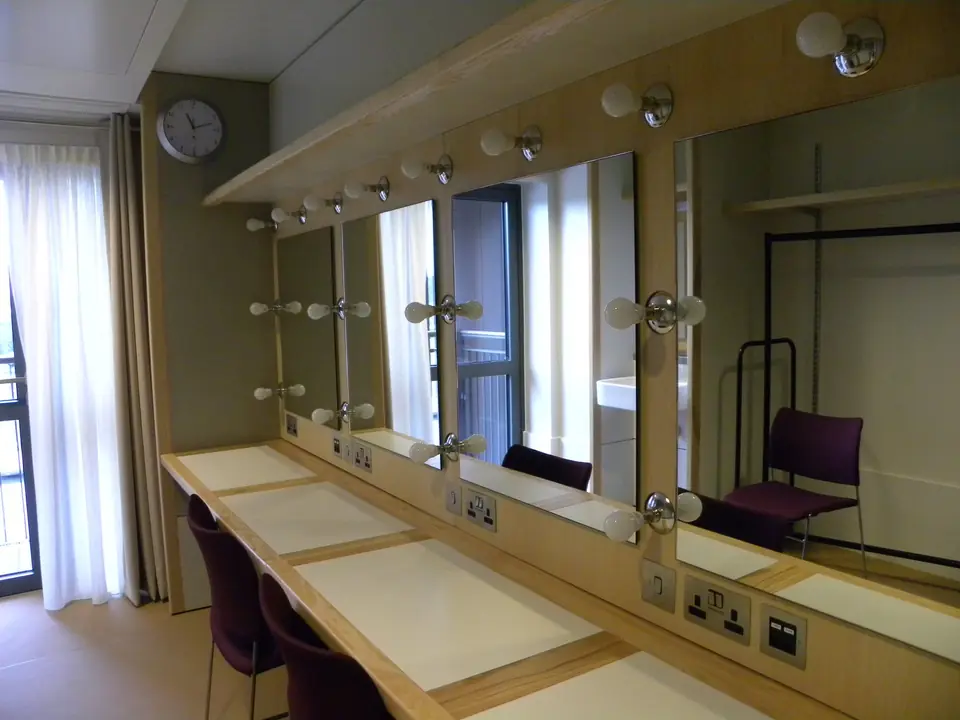
How a mirror box works
A walk-in mirror cube is a timber or aluminium frame lined with mirror on every wall and often the ceiling. Small points of light inside, such as LED pea bulbs, turn into a field of stars, because each one repeats in every pair of facing walls.
An infinity box seen from outside has a normal mirror at the back and a two-way mirror at the front: glass or acrylic with a thin coating that reflects part of the light and lets part through. Lights sit between them. Each bounce loses a little light, so the tunnel fades away, and the effect only works when the room outside is darker than the box.
Mirror acrylic or glass
Glass mirror gives the flattest reflection and the cleanest repeats, but it is heavy: 6 mm glass weighs about 15 kg per square metre. It needs polished edges and a safety film on the back that holds the pieces if it breaks. For any mirror installation people walk into, start from safety-backed or toughened mirror.
A 3 mm sheet of mirror acrylic, often sold as mirrored Perspex, weighs about a quarter as much as 6 mm glass and is far less likely to shatter. That suits builds that travel or stand in busy rooms, such as a one-day brand launch. It bends, though, and a slight bow becomes a fairground wobble that grows with every repeat. Bond it across its whole area to flat plywood or MDF, and keep its protective film in place until the last step, because the surface scratches easily.
Frames, seams and fixing
Build the frame square before any mirror goes on; a frame a few millimetres out of square shows as a curving tunnel. Clad it in plywood and fix the mirror with mirror adhesive or double-sided mirror tape. Ordinary solvent glues can attack the mirror backing and leave dark patches. On glass, add a few clips along the bottom edge as a back-up.
Every seam is repeated in the reflections, so one gap becomes a grid of lines. Line up joints across all the walls so the grid is regular, keep them tight, and cover outside corners with thin aluminium angle.
Lights and safety for visitors
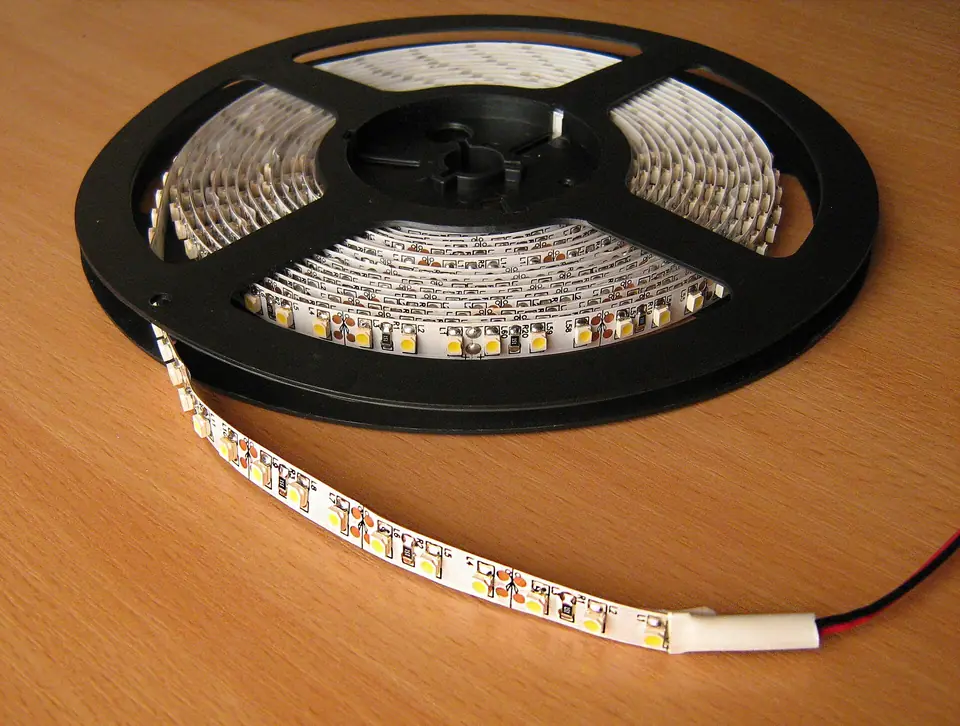
Hide every light source: LED strip in an aluminium channel along the floor and ceiling joints, with drivers and power supplies outside the box. A small closed box warms up with several people inside, so leave air gaps at the top and keep visits short.
Mirror rooms confuse people about where the walls are. A dark, non-reflective floor helps, and it avoids the scuffs and slips of a mirror floor. Mark the door from inside with a lit handle, make sure it opens outwards without a lock, and keep a steward at the door to limit numbers.
Photographing inside a mirror room
The camera appears in every wall. One way round it is to shoot through a small hole cut at a seam, with the lens pushed through so only a dark dot shows in the reflections. Wear dark clothes, switch off the flash, which bounces back as a white blot, and expose for the points of light.
A reflection appears as far behind the mirror as the object stands in front of it, so autofocus aimed at the glass often hunts or locks onto a smudge. Focus manually on the person, and use a smaller aperture if you want the deeper repeats sharp.
Building a mirror box
- Draw the box at full size with the panel joints marked, so seams line up on every wall.
- Build the frame and compare the two diagonals of each face; if they differ, rack the frame until they match.
- Run the cables and fit the light channels before any mirror goes on.
- Bond the panels with their protective film still on; clip glass along its bottom edge.
- Fit the corner trims, then peel the film and wipe off fingerprints with a soft, dry cloth.
- Switch on the lights in a dark room and look for bowed panels or gaps.
What goes wrong in mirror rooms
- Fixing acrylic mirror to an open frame. It bows and the repeats wobble; bond it to a full backing.
- Placing panel joints at random. Gaps multiply into a messy grid; line them up wall to wall.
- Putting mirror on the floor of a party room. It scuffs fast and is slippery; use a dark floor.
Mirror box questions
How is a two-way mirror different from a normal mirror?
A normal mirror has an opaque reflective backing and reflects almost all the light that reaches it. A two-way mirror has a thinner coating that reflects part of the light and lets part through, so from the darker side you can see through it. In an infinity box, that is what lets viewers look in while the reflections repeat.
Is acrylic mirror safe for an installation people walk into?
It is far less likely to shatter than glass, which is its main advantage at events. It still scratches, bends and burns, so bond it to a rigid backing, keep candles and heat away from it, and check what the venue asks for on materials.
How do you photograph inside a mirror room without appearing in the shot?
Shoot through a small hole at a panel seam, or stand in a corner and frame so the camera's reflections fall behind the subject. Wear dark clothes, turn off the flash and focus manually on the subject.
 Planning a one-day brand activation or launch space
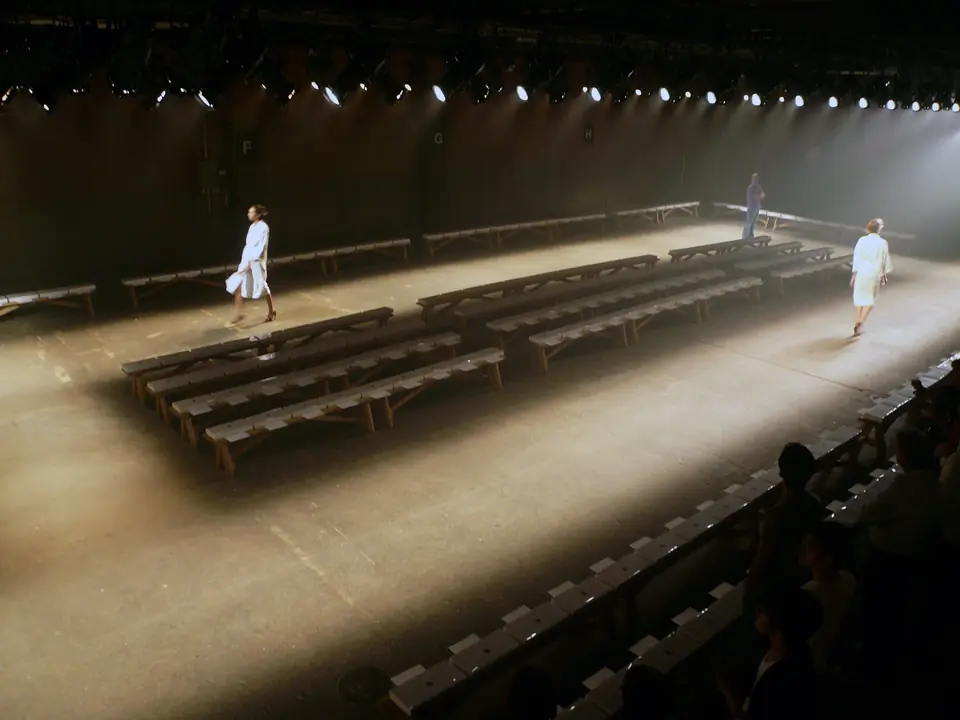 Fashion show set design for a small show: runway, seating, backstage and light
 Prop making basics: foam, plaster, MDF and paint finishes
