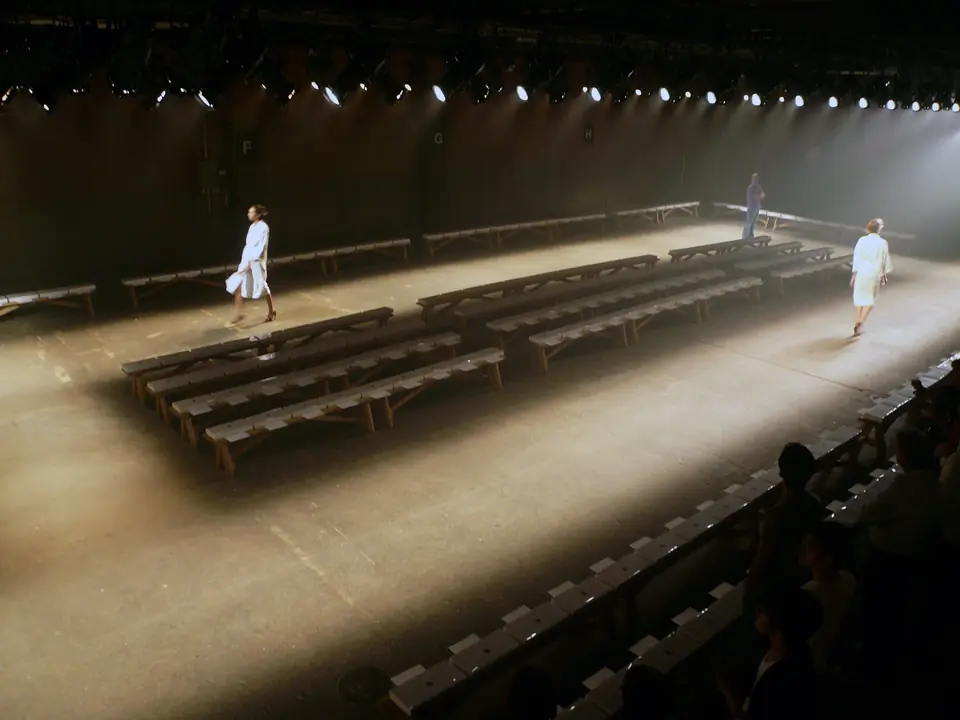
Planning the runway
A runway can be a raised platform or a marked strip of floor. A floor-level runway is simpler and safer in a small room, such as a showroom or atelier. Use painted floor, or carpet or vinyl taped down along its edges, with the front row seated along both sides. A raised runway gives the back rows a better view. It is usually built from hired stage decks, commonly 2 × 1 m sections on adjustable legs, with the sides skirted in black fabric.
Length sets the pace. Too short and models bunch up at the turn; too long and a small show drags. Mark the turning point and the pose spot at the end with small pieces of tape, and show them to the models at rehearsal.
Runway surface and edges
Choose a matt, even surface. Gloss floors look striking, but heels slip on them and every scuff shows in photographs. Painted hardboard or floor vinyl gives a clean line; tape every seam with tape in the same colour. On a raised runway, mark the edge with a thin line of white tape or a low strip of light. A model walking into bright front light cannot see where the platform ends.
Seating rows and the photographers
Run the seats along both sides. The front row sits at floor level close to the edge, on chairs or upholstered benches, and a second row on low risers or taller stools sees over it. Tape a line on the floor in front of the first row and ask guests to keep their feet behind it. An outstretched foot is easy for a model to trip on. Leave clear aisles to the exits and keep the end of the runway free of seats.
Photographers stand on a riser just beyond the end of the runway, centred on it and facing up its length, so they all shoot the same view. Give them a clear sightline all the way along and a plain backdrop at the far end where the models enter, because that wall sits behind every picture. Sightlines are easiest to check beforehand on a card model of the room.
Lighting the runway
Light the runway evenly along its length so faces stay lit at every step. Spotlights from high front angles on both sides, crossing at about 45°, light faces without hard shadows under the brows. A brighter pair at the end lights the pose spot for the cameras. Use one colour temperature for every lamp, and keep coloured gels off the clothes, since they shift the colour in every photograph.
Dim the audience lights low enough to make the runway the brightest place in the room, while guests can still find their seats and the photographers can see the edge.
Setting up backstage
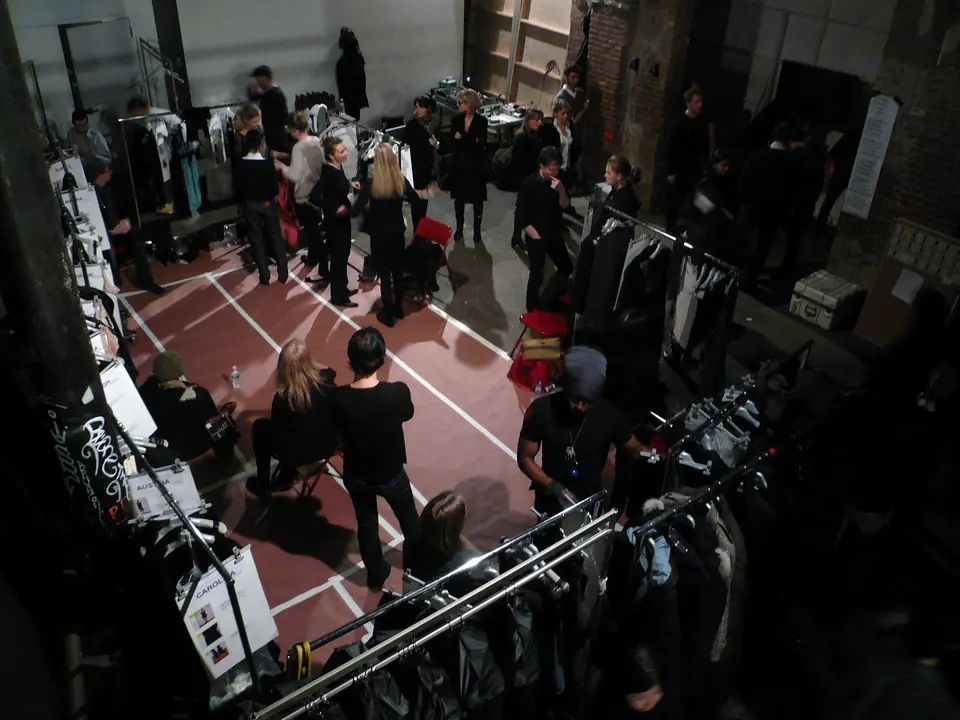
Backstage needs hair and make-up stations with mirrors and front light, one clothes rail per model and a line-up space by the runway entrance. Pin a card to each rail with photos of that model's looks in running order and the accessories for each, so dressers can work fast. Close backstage off with blackout drapes so its light does not spill onto the runway, and keep the route from rails to entrance short and free of cables.
Order of work
- Fix the runway route, length and width on a scaled plan of the room.
- Place the photographers' riser at the end of the runway and the backdrop at the entrance.
- Set out the seating rows along both sides, leaving aisles to the exits.
- Build or lay the runway, then tape its seams and edges.
- Rig and focus the lights while someone walks the full length as a stand-in.
- Set up backstage: rails with look cards, mirrors, the line-up spot.
- Rehearse with the models in the shoes they will wear, and fix any slippery spots.
Common mistakes
- Laying a glossy runway. Heels slip; use a matt surface and test it in the show shoes.
- Letting front-row feet into the walkway. Tape a line and ask guests to keep behind it.
- Lighting only from above. Faces go dark under the brows; add front light from both sides.
- Leaving the edge of a raised runway unmarked. Models lose it in bright light; tape it.
Questions people ask
How wide should a runway be?
Around 1.2 m lets one model walk and turn comfortably. If models pass each other on the way back, make it wider, nearer 2 m. The turn at the end needs the most room, so some runways widen there.
What height is a raised runway for a small show?
Small shows often use a low platform, roughly 40 to 60 cm, which lifts the models into view of the back rows without needing tall steps that are hard to climb in heels. Higher stages need steps, handrails and more space around the edge.
Can a fashion presentation work without a runway?
Yes. In a presentation, models stand or move slowly on low plinths or in marked zones while guests walk round them. It suits small rooms and lets people see the clothes up close, and the light has to cover each zone evenly instead of running along a line.
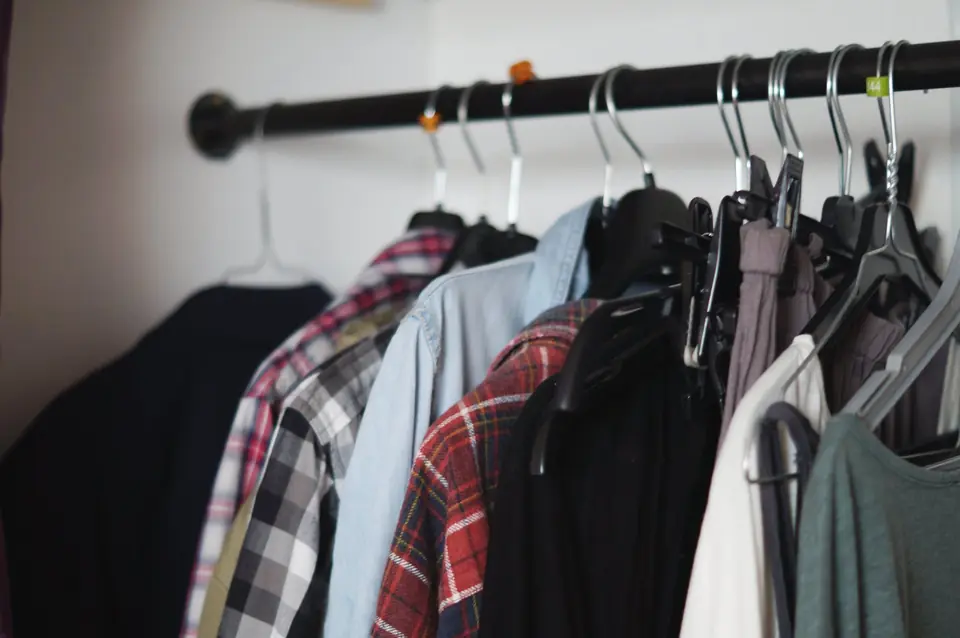 How to build a scaffold clothes rail: tube, fittings and finishes
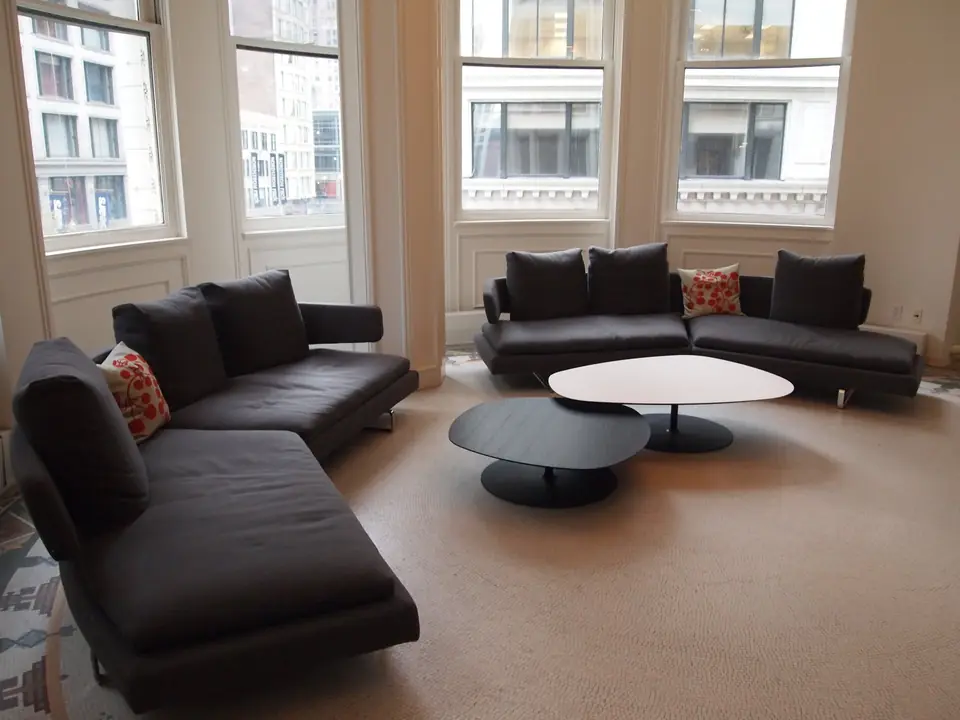 Building event lounge furniture: modular sofas, ottomans and low tables
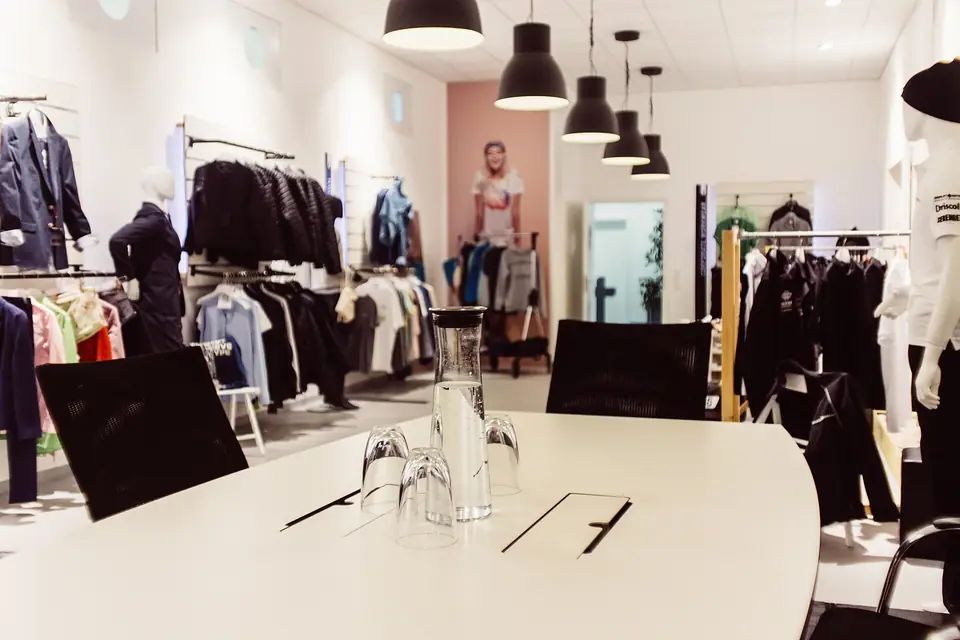 Small showroom design: rails, mirrors, a fitting corner and tables