Choosing the room
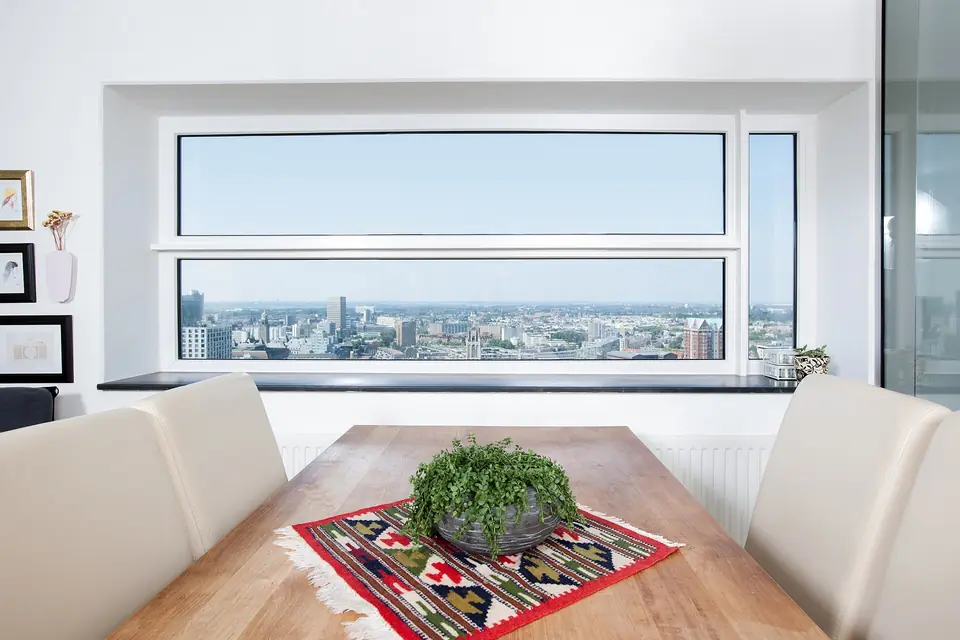
Galleries, empty shops, studios and cafés after hours all get used for a pop-up restaurant. The kitchen matters more than the room. A café or restaurant with its own kitchen lets you cook on site. An empty shop means cooking elsewhere and finishing dishes on hired equipment, which narrows the menu to food that holds well or is served cold.
On the first visit, survey the room as you would an empty shop unit: find the toilets, the nearest water and the power for any hired hot plates or fridges. Then find the spot where crates of crockery and bags of rubbish will sit during service. A room with no back door has dirty plates crossing the dining room all night, so plan a screened corner for them.
Tables, covers and spacing
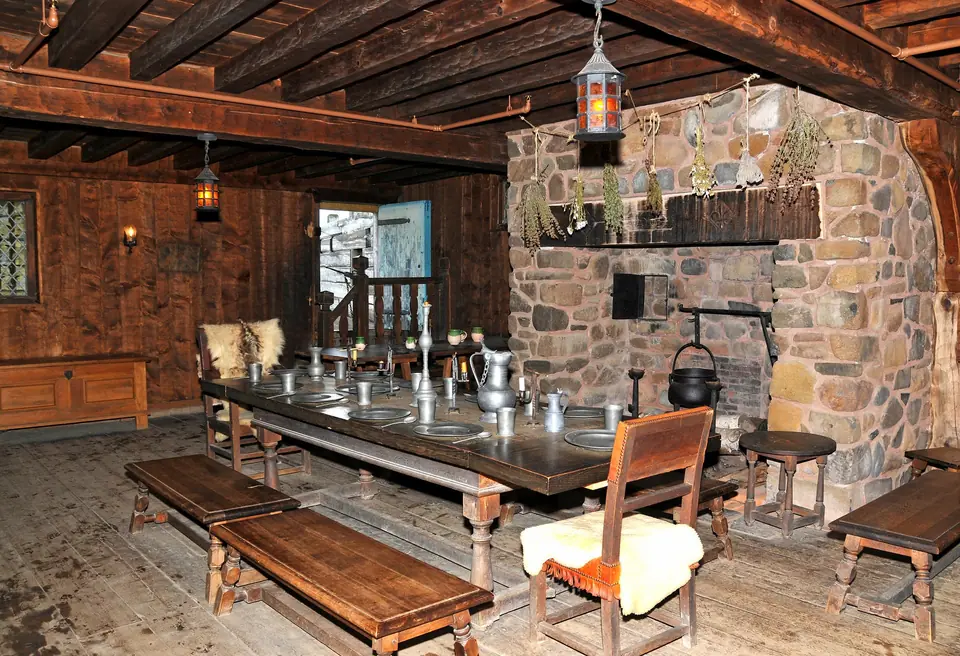
Long shared tables seat more people in less space and get strangers talking. Hired trestles with boards are the usual base, about 75 cm high, under cloths that fall close to the floor and hide the legs. Allow about 60 cm of table edge per guest. Tables at least 75 cm wide fit a place setting on each side; shared dishes down the middle need more.
Behind each row of chairs, leave room for a server carrying plates to pass a seated guest. Walk that route with a loaded tray before anyone arrives, pulling chairs out as diners would, and move whatever catches.
How to carry a theme with a few objects
A borrowed room can rarely be redecorated, so the theme lives on the table and in the light. Choose one cloth colour, one glass and one plate and repeat them at every place. A single run of branches, fruit or bread down a long table reads more strongly than a row of small arrangements, and it stays low enough to talk over.
Use unscented candles, since scented ones fight the food. Some venues ban open flames, so ask first and use deep glass holders or good LED candles if needed. Turn off the overhead lights if you can and light the table tops with candles, low lamps or narrow spotlights. A white cloth then bounces soft light up onto faces.
Kitchen and service routes
Mark three routes on the plan: guests from the front door to the coat rail and the tables, food from the pass to the tables, and dirty plates back to the wash-up or crate area. Where they cross, someone carrying hot food meets someone looking for the toilet. Put the coat rail and a trolley of welcome drinks near the door so arriving guests stop there, out of the service path.
Bare rooms get loud once a full table starts talking. Tablecloths, a rug, curtains and fabric on the walls all soak up sound. In a high room, such as a converted warehouse, a few lengths of fabric draped under the ceiling help further. Many venues want proof that drapes are flame-retardant, as they do for sets built for parties and shows. Carry the certificate with the fabric.
Order of work on the day
- Clean the room, then mark table positions on the floor with low-tack tape, working from your plan.
- Set the trestles and boards, level each table with packers under the feet, and lay the cloths.
- Lay one place setting completely, photograph it and copy it down every table.
- Set up the pass, the wash-up area and the crate stack before guests arrive.
- Walk the service route with a loaded tray and move any chair that blocks it.
- Light the candles and lamps, switch off the overhead lights and check the room from a seated guest's eye height.
Common mistakes
- Tall centrepieces. Guests lean round them all evening; keep table pieces low enough to talk over.
- Leaving the overhead lights on. Bright downlight flattens food and faces; light the tables instead.
- Carrying dirty plates through the dining room in full view. Plan a screened route or corner beforehand.
- Forgetting the coats. Coats on chair backs block the service route; set a rail near the door.
Questions people ask
How many guests can a pop-up restaurant seat?
Start from about 60 cm of table edge per guest, then ask how many plates the kitchen can send out at once. A small team plating by hand often sets the real limit lower than the tables would. Leave room for the service routes before adding the last few seats.
Does a pop-up restaurant need a licence?
Usually, in some form. Serving food and alcohol to the public needs permissions that differ from place to place, so contact the local authority early and check whether the venue already holds licences that cover your event.
What makes a pop-up restaurant look finished?
Floor-length cloths, the same glass and plate at every place, and low warm light on the tables. Hiding the trestle legs and switching off the overhead lights change the room more than anything hung on the walls.
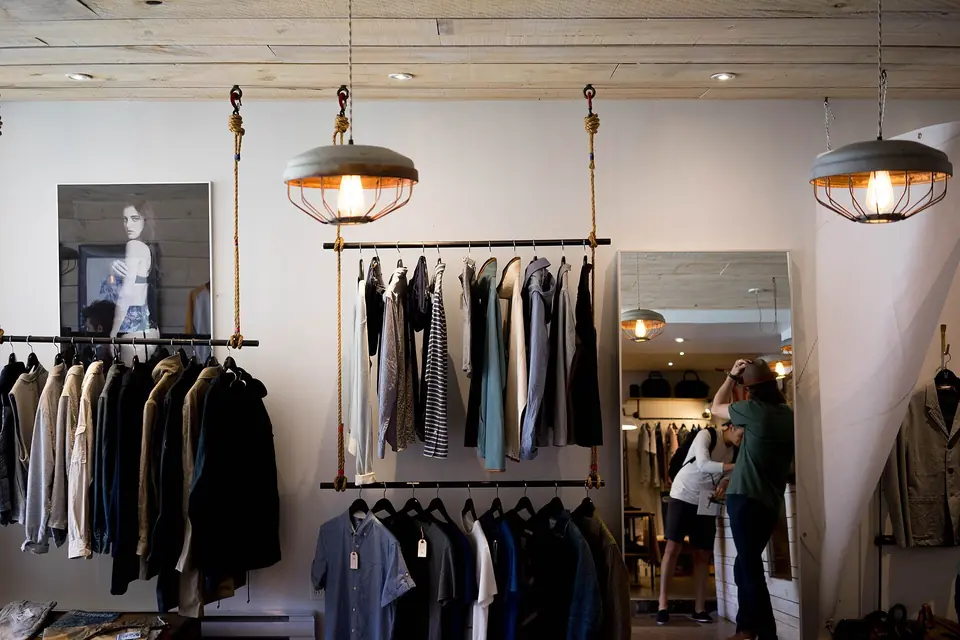 Pop-up shop design: planning an empty unit from the door to the till
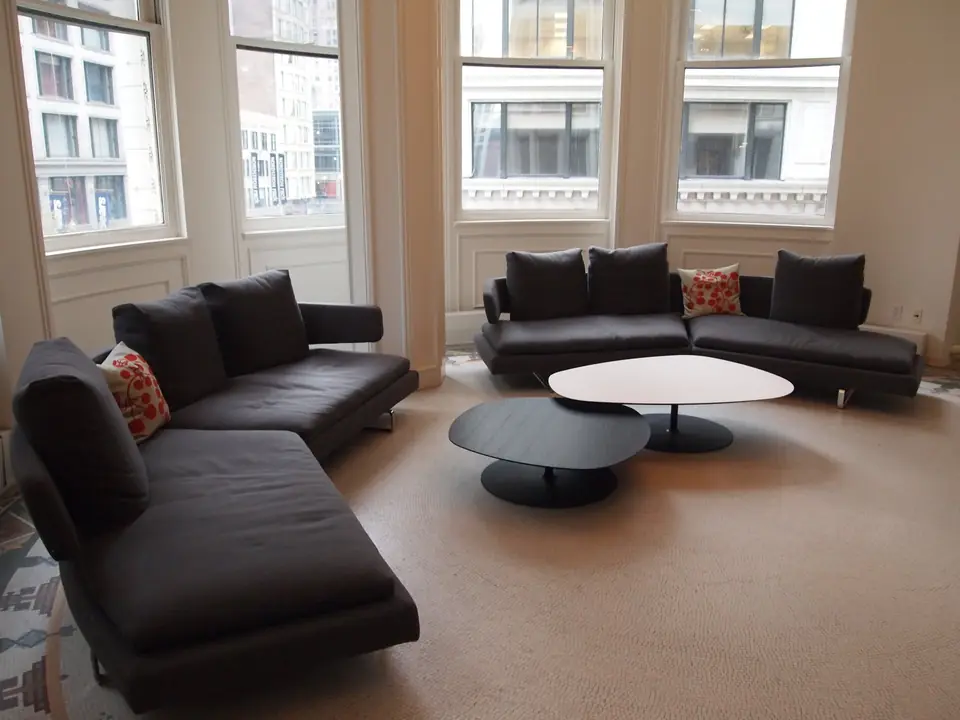 Building event lounge furniture: modular sofas, ottomans and low tables
 Planning a one-day brand activation or launch space